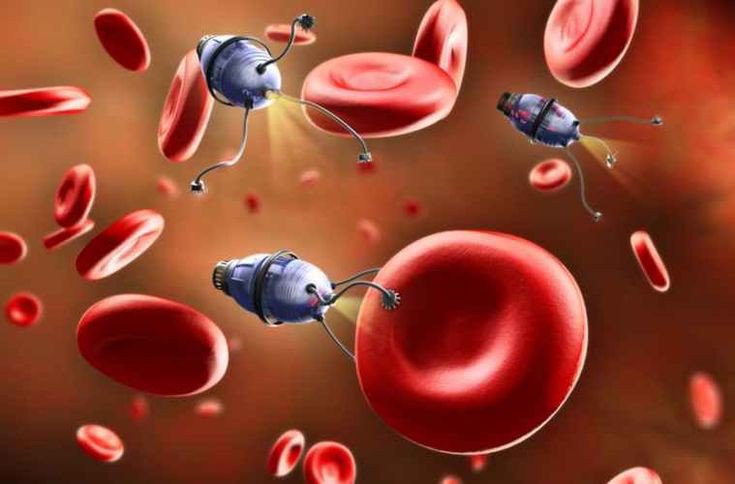
Nanotechnology is the use of matter on an atomic, molecular, and supramolecular scale for industrial purposes. Nanotechnology deals with the understanding and control of matter at dimensions between approximately 1-100 nanometers, where unique phenomena enable novel applications. More specifically, nanotechnology is the imaging, modelling, measuring, design, characterization, production and application of structures, devices and systems by controlled manipulation of size and shape at the nanometers scale (atomic, molecular and macromolecules scale) that produces structures, devices and systems with at least one novel/superior.
What does nanotechnology do?
Nanotechnology is hailed as having the potential to increase the efficiency of energy consumption, help to clean the environment and solve major health problems. It is Said to be able to massively increase manufacturing production at significantly reduced costs. Products of nanotechnology will be smaller, cheaper, lighter yet more functional and require less energy and fewer raw materials to manufacture.
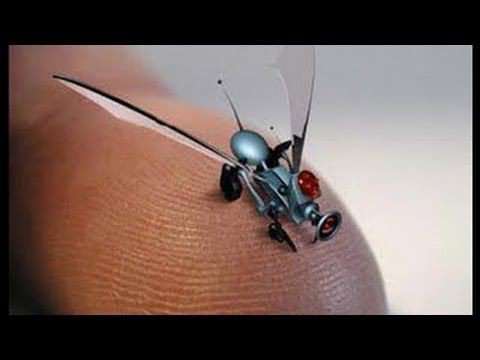
How does nanotechnology works?
Nanotechnology involves manipulating and controlling nano materials in a useful way.we can find nano materials in nature examples are hemoglobin, smoke from this the fire, volcanic ash and sea spray.

Who uses nanotechnology?
Nanotechnology is helping to considerably improve, even revolutionized many technology and industry sectors. Information technology, homeland security machine, transportation, energy food safety and environmental science amongst others.
Benefits of nanotechnology
The following are the benefits of using the nanotechnology;
It can actually revolutionized a lot of electronic products, procedures and application
It can also benefit the energy sector.
Better imaging and diagnostic equipment
Energy-effecient products such as fuel and solar cells.
Nano robots can be used to build the ozone layer, clean polluted areas and lesson dependence on non-renewable energy sources.
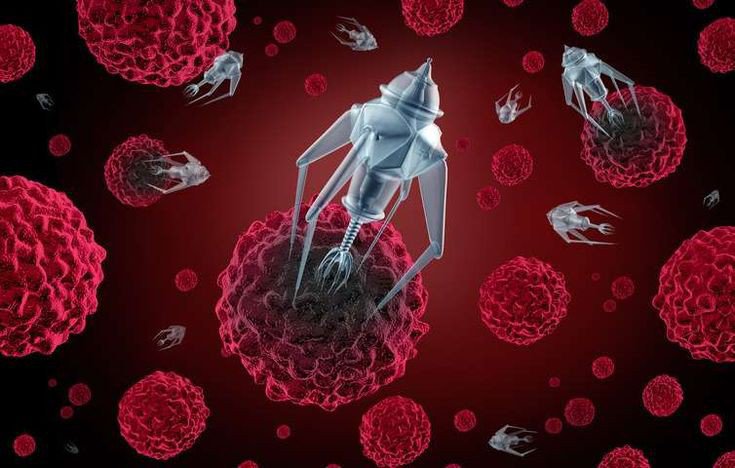
Disadvantages of nanotechnology
✓ Improve atomic weaponry
✓ Potential dangers to humans and the environment
✓ Loss of manufacturing and agricultural jobs
✓ Accessibility to weapons for mass destruction
✓ presently nanotechnology is very expensive and developing it can cost you a lot of money.
How has nanotechnology been used in Africa and Nigeria?
In this research, it’s presented findings on engagement of Nigeria scholars in nanotechnology. Research between 2010 and 2020 using primary Data that were processed to unravel the productivity of the top scholars in relation to the top counterparts in Egypt and south Africa and the world of nanotechnology.
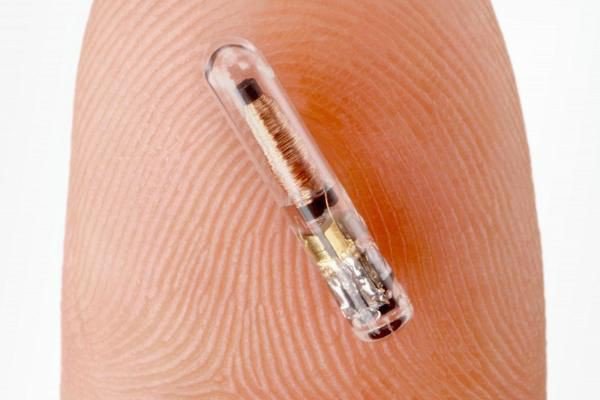
How can nanotechnology alternate human behaviors?
✓ Faster, smaller and more powerful computers that consume far less power with long-lasting batteries.
✓ water filters that are only 15-20 nanometers wide can remove nanosize particles, including virtually all viruses and bacteria.
✓ Improved vehicles fuel efficiency and corrosion resistance by building vehicle part from nano composite materials that are lighter, stronger and more chemically resistant than metal.
✓ Nanoparticles or nanofibers in fabrics can enhanced stain resistance, water resistant and flames resistance, without a significant increase in weight, thickness or stiffness of the fabric.
✓ Nanoparticles in pharmaceutical products Improve their absorption within the body and make them easier to deliver, often through combination of medical devices.
Reference:
Kostarelos, K., A. Bianco, and M. Prato. 2009. Promises, facts and challenges for carbon nanotubes in imaging and therapeutics. Nature Nanotechnology 4(10):627–633.
Lammers, T., W. E. Hennink, and G. Storm. 2008. Tumour-targeted nanomedicines: Principles and practice. British Journal of Cancer 99(3):392–397.
Li, K. 2010. Biologic barriers to in vivo nanomedicine delivery: Major hurdles for clinical translation. Paper presented at the NCPF workshop on Policy Issues in Nanotechnology and Oncology, Washington, DC.
McLaren, C. E., S. Fujikawa-Brooks, W. P. Chen, D. L. Gillen, D. Pelot, E. W. Gerner, and F. L. Meyskens Jr. 2008. Longitudinal assessment of air conduction audiograms in a phase III clinical trial of difluoromethylornithine and sulindac for prevention of sporadic colorectal adenomas. Cancer Prevention Research 1(7):514–521.
 Innovative technology for you